

14 Jan How a Single Painting Can Start a Difficult Conversation in 2026
Introduction
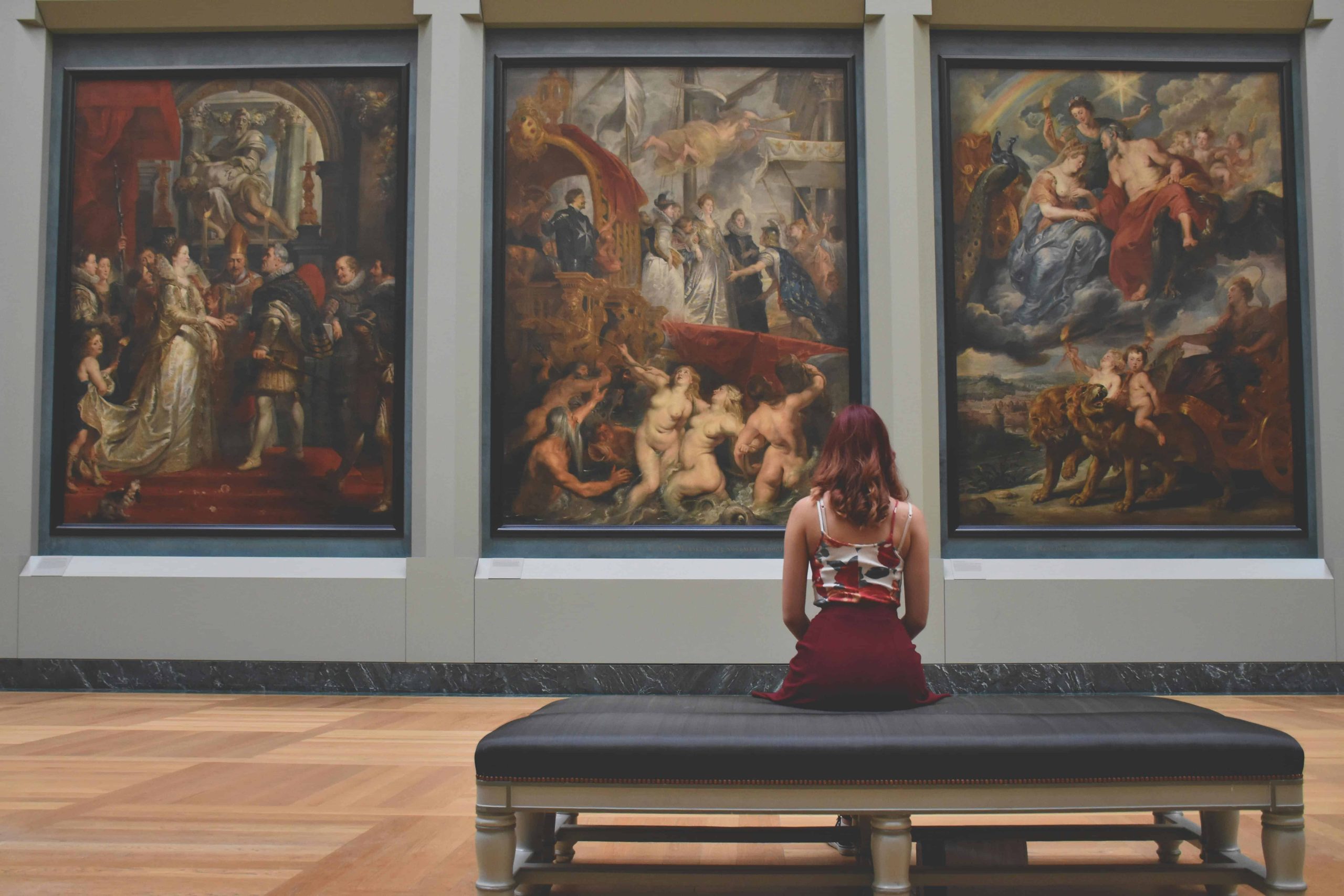
Art acts as a focal point that disrupts the standard flow of social interaction, demanding a unique form of cognitive engagement. This encounter creates what is known in educational theory as a “third space”—an objective territory that exists between two individuals. In this space, the canvas serves as a shared reference point where people of varying backgrounds can interact without the immediate pressure of interpersonal confrontation. By externalizing complex themes onto a physical object, a single work of art provides the psychological distance necessary to analyze intricate human experiences. This distance allows for a more objective analysis of personal or social dynamics that might otherwise feel too immediate or overwhelming to discuss.
Breaking the Barrier of Language
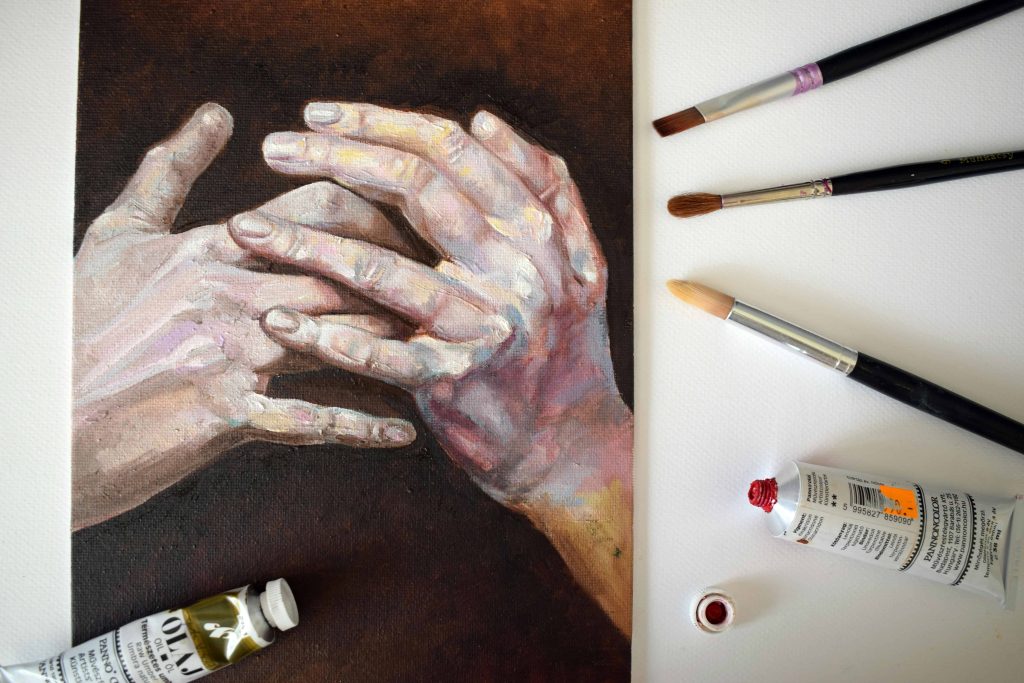
Visual communication often operates through a different neurological pathway than verbal language, allowing it to bypass the limitations of a “loaded” vocabulary. When words feel insufficient or carry unintended connotations, visual symbols can convey complex meanings through immediate recognition. The formal elements of a painting—such as the relationship between geometric shapes, the use of light, and the physical texture of the medium—can influence a viewer’s emotional state before a verbal dialogue even begins. By utilizing the imagery within a painting as a metaphor, individuals can articulate specific concepts and feelings with precision, using the artwork as a bridge to describe ideas that are difficult to pin down with words alone.
The Role of Subjective Interpretation
The open-ended nature of art is a fundamental tool for constructive dialogue. Unlike technical manuals or legal documents that require a single interpretation, art is designed for a plurality of meanings. This inherent lack of a “correct” answer reduces the social risk of participation, as it removes the fear of being factually wrong. When observers discuss their differing perceptions of the same brushstroke or composition, they are practicing a form of collaborative inquiry. This process naturally shifts a conversation from a binary debate to a multi-faceted dialogue. The objective is not to reach a consensus on the artist’s intent, but to understand the various logical paths that lead different viewers to different conclusions.
Creating Psychological Safety
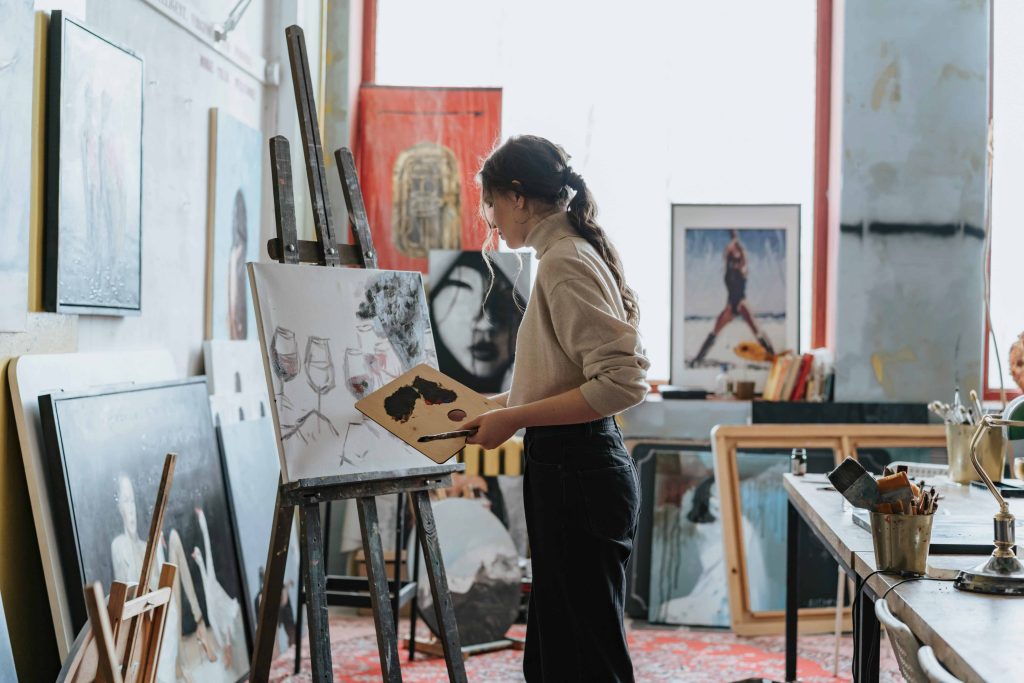
Engaging with a painting can significantly lower the physiological markers of stress during a challenging discussion. By focusing one’s gaze on the canvas rather than maintaining constant eye contact, participants can reduce the intensity of the social interaction, allowing for more measured responses. The subject matter of the painting acts as a proxy; it is often easier to analyze the motivations of a figure in a portrait than to discuss one’s own motivations directly. Utilizing structured observation—asking “What do you see that makes you say that?”—slows down the cognitive process. This delay between perception and judgment helps maintain a calm environment conducive to thoughtful exchange.
From Observation to Action
The process of analyzing art develops cognitive skills that are directly applicable to everyday life. Regularly engaging with complex visual narratives can increase a viewer’s capacity for perspective-taking, a key component of social intelligence. Art encourages a shift from passive looking to active seeing, moving the observer from a surface-level “What is this?” to a deeper “How does this work?” This analytical approach fosters critical thinking and self-awareness. Furthermore, the high retention rate of visual information ensures that the insights gained during the viewing process remain accessible to the participant long after they have left the physical presence of the artwork, providing a lasting framework for future interactions.
Conclusion
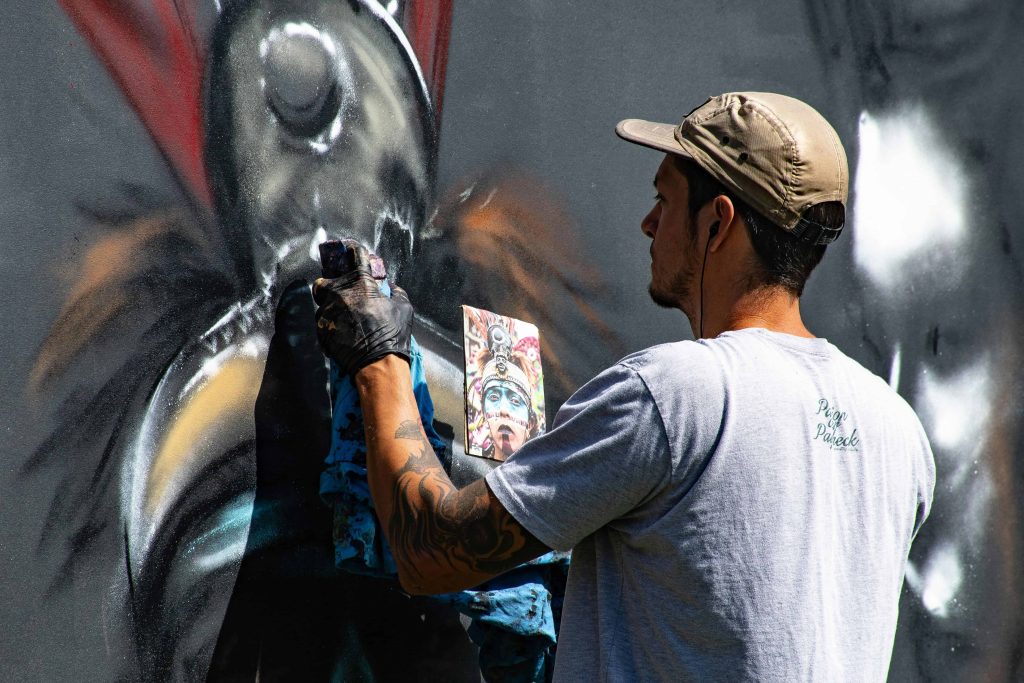
In summary, the intentional observation of art serves as a functional tool for enhancing human communication. By treating viewing spaces as environments for structured dialogue, we can utilize the formal properties of art to facilitate clearer and more empathetic exchanges. Art serves as a focal point, a neutral platform, and a cognitive exercise. While a painting is a static object, the dialogue it generates is dynamic. It provides the necessary structure and safety for individuals to engage in the vital work of understanding one another, proving that a single canvas can indeed be the catalyst for the most meaningful conversations.
Key Takeaways
- The Power of the “Third Space” Art acts as a neutral territory between people. By focusing on a physical object rather than each other, individuals can discuss complex themes with enough psychological distance to keep the conversation objective and calm.
- Bypassing Verbal Barriers Visual symbols and artistic elements like texture or light communicate through different pathways than speech. This allows people to express ideas or feelings that are hard to describe, helping them move past the limitations of loaded language.
- Value in Multiple Perspectives Because art doesn’t have a single “right” meaning, it lowers the social risk of speaking up. Discussing different interpretations shifts the dynamic from a win-lose debate to a collaborative search for understanding.
- Enhanced Psychological Safety Focusing on a painting reduces the stress of constant eye contact. Analyzing the figures or shapes in a work of art serves as a proxy, making it easier to explore personal motivations or difficult topics without feeling directly under fire.
Practical Skills for Daily Life Studying art trains the brain to move from passive looking to active analysis. This builds perspective-taking and critical thinking skills that help people stay self-aware and empathetic in their future interactions.
FAQs
How does art create a “third space” for better communication?
Art establishes an objective territory between individuals, removing the pressure of direct eye contact and interpersonal tension. This physical focal point allows people to externalize complex ideas onto the canvas. By discussing the artwork instead of each other, participants maintain the psychological distance needed for a calm, productive exchange.
Can people with no artistic background participate in these discussions?
Absolutely. The open-ended nature of art means there is no “correct” answer or factual barrier to entry. Because art relies on subjective perception rather than technical expertise, it lowers the social risk of participation. Anyone can share what they see, which naturally transforms a debate into a collaborative inquiry.
Why is visual imagery often more effective than words alone?
Visual symbols bypass the limitations of a “loaded” vocabulary by using different neurological pathways. While words can sometimes carry unintended or heavy connotations, the colors and shapes in a painting convey immediate emotional meaning. This allows viewers to use imagery as a metaphor for feelings that are difficult to define.
Organizing a digital gallery involves more than just selecting great pieces; it requires a solid grasp of how to handle ownership and public display rights. We provide clear facts and actionable information to help you manage these responsibilities while maintaining the integrity of the artwork and the exhibition.