

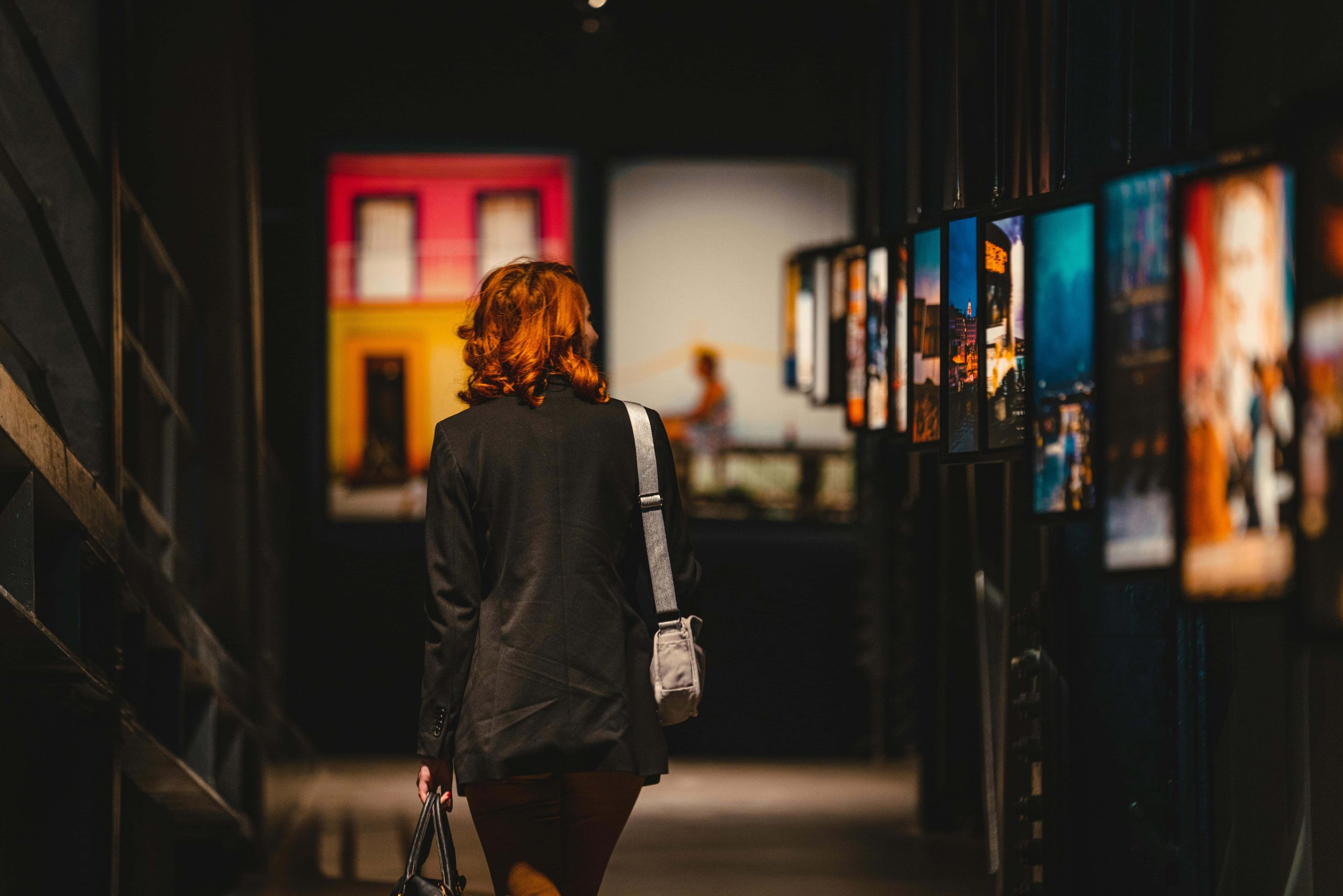
19 Jan What Happens When Art Leaves a Private Room and Meets The World
Introduction
Art is often created in isolation, shaped by personal decision-making, technical process, and individual intent. In its earliest stage, a work exists only within the artist’s immediate environment and is influenced by private conditions such as time, space, and available materials. When art is presented publicly, it enters a different phase of its lifecycle. This shift introduces new variables, including audience presence, context, and modes of display, all of which affect how the work is perceived and understood.
The Private Space of Creation
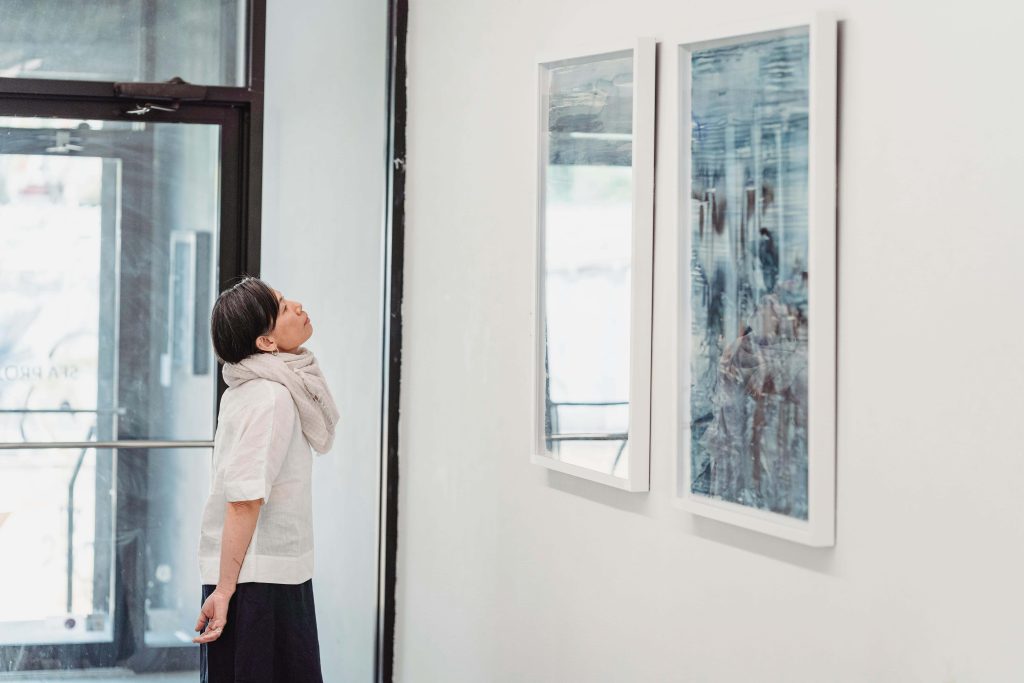
Private creative spaces allow artists to work without external input, enabling focused experimentation and technical development. In these settings, decisions are guided by process rather than response, allowing materials, form, and method to develop organically. Working privately supports consistency and skill-building, as artists can revise and refine their work without interruption. This stage is critical for establishing clarity of technique and intent before public presentation.
The Act of Release
Presenting artwork publicly marks a clear transition from production to distribution. At this point, the work becomes accessible to viewers who were not part of its creation. The artist’s role shifts from active maker to presenter, while the artwork becomes a standalone object or experience. This transition does not alter the physical work itself but changes how it functions by placing it within a shared viewing environment.
Encountering an Audience
Audiences engage with art based on visible elements such as composition, material, scale, and placement. Interpretation is influenced by a viewer’s prior knowledge, visual literacy, and the setting in which the work is encountered. Because audiences do not share the artist’s internal process, meaning is derived from what is presented rather than what was intended. This difference is a standard and measurable aspect of public art engagement.
Transformation Through Visibility
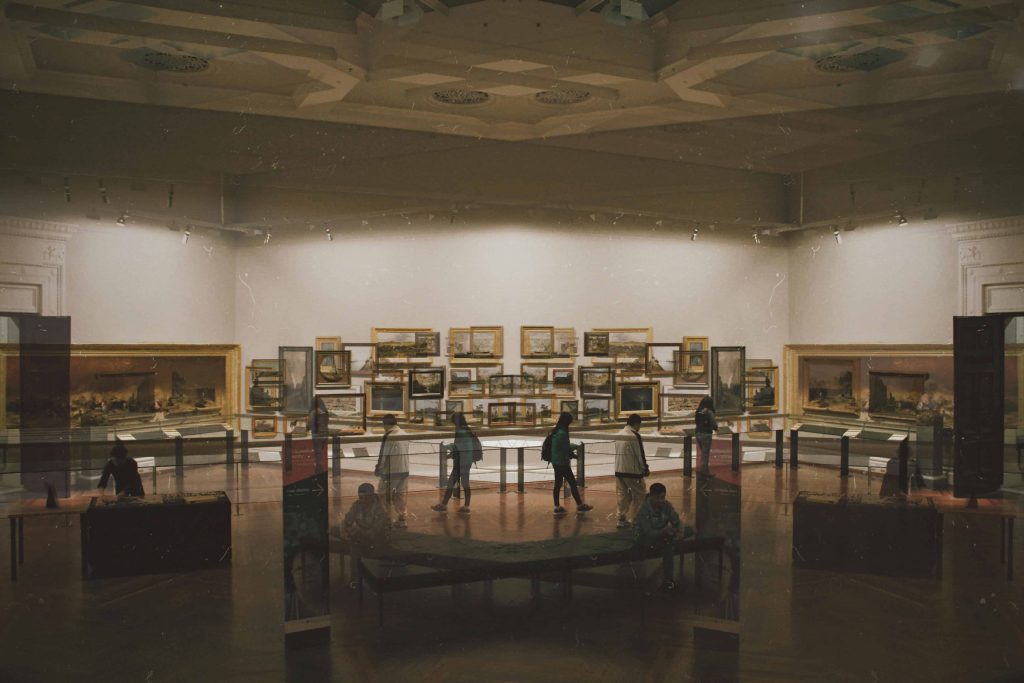
Once art is visible to others, it begins to generate responses that can be observed through feedback, discussion, and patterns of attention. These responses may highlight aspects of the work that were not emphasized during creation, such as recurring themes or formal qualities. Visibility allows artists to assess how their work communicates in real-world conditions and how effectively it functions outside a controlled studio setting.
Public Spaces and Presentation
The way art is presented has a direct impact on how it is received. Factors such as lighting, spacing, digital formatting, and surrounding content influence focus and interpretation. Physical venues and online platforms each impose structural limits and opportunities that shape viewer interaction. Presentation choices therefore become part of the artwork’s practical framework rather than a separate consideration.
Letting Go of Control
Once artwork is shared publicly, artists cannot regulate how every viewer will respond. This is a structural reality of public presentation rather than an emotional one. The work exists independently and may be discussed, revisited, or overlooked without the artist’s involvement. Accepting this separation allows the artwork to function as intended within a public setting.
The Ongoing Relationship Between Artist and World
Public presentation creates an ongoing exchange between artistic output and audience engagement. Over time, artists may adjust their methods based on observed reception, technical outcomes, or practical constraints of display. This process supports continuity and development without requiring changes to the core purpose of the work. The relationship between artist and audience remains indirect but influential.
Conclusion
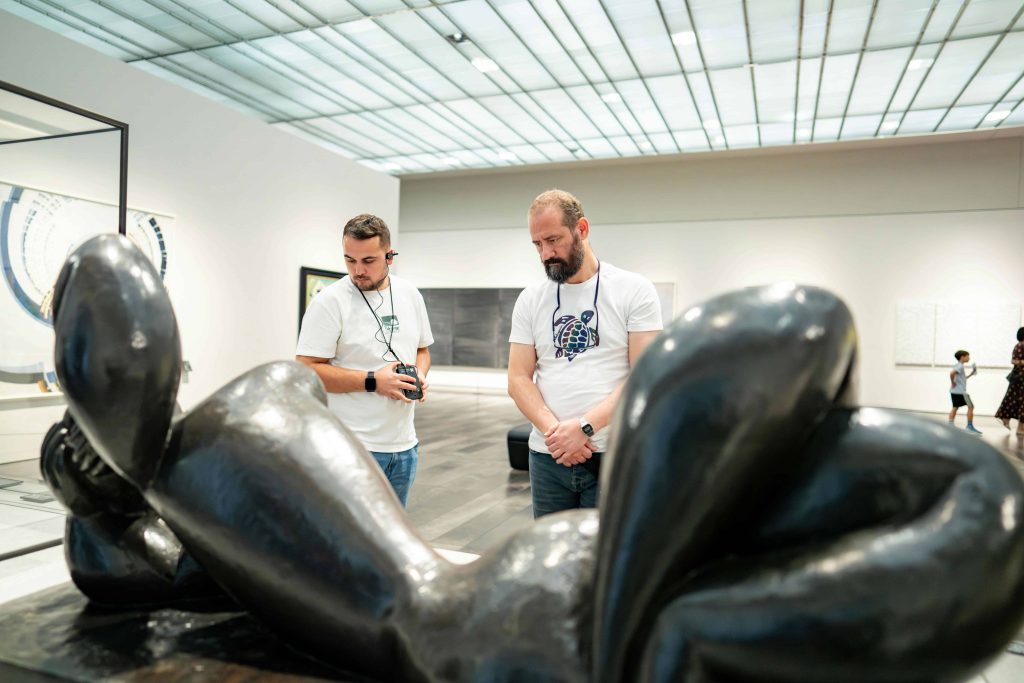
When art moves from a private room into public view, it enters a broader system of presentation, interpretation, and response. Creation and exposure serve different roles within the same process, each with its own conditions and outcomes. Art is completed not solely through making, but through its ability to exist, function, and be encountered beyond the space in which it was created.
Key Takeaways
- Art undergoes a functional shift when it moves from private room creation to public presentation, even though the work itself remains unchanged.
- Private creative spaces are essential for experimentation, refinement, and establishing technical and conceptual clarity without external influence.
- Public release transitions the artist’s role from maker to presenter and places the artwork within a shared viewing environment.
- Audience interpretation is shaped by visible elements and context, not by the artist’s internal process or original intent.
- Visibility introduces observable feedback and patterns of attention that reveal how the work operates outside the studio.
- Presentation choices, including space, format, and platform, directly affect perception and become part of the artwork’s framework.
- Once shared publicly, artwork exists independently of the artist’s control, functioning according to audience engagement and context.
- Ongoing exposure creates a sustained, indirect relationship between artist and audience that can inform future practice without altering core intent.
FAQs
Why is private creation considered an essential stage in the artistic process?
Private creation allows artists to concentrate on technique, material exploration, and decision-making without external influence. This controlled environment supports experimentation, revision, and skill refinement. The absence of audience response at this stage helps establish clarity of intent before the work enters a public context.
How does public presentation change the function of an artwork?
Public presentation shifts an artwork from a process-driven object to a shared visual experience. While the physical work remains unchanged, its role evolves as it becomes subject to audience interpretation, spatial context, and presentation conditions that shape how meaning is formed and understood.
Why do audience interpretations often differ from an artist’s original intent?
Audiences engage with art through observable qualities such as form, material, and placement rather than the artist’s internal process. Individual background, visual literacy, and viewing context influence interpretation, making variation in meaning an expected outcome of public engagement rather than a misunderstanding.
What happens when one image becomes the catalyst for disagreement, reflection, and emotional response at the same time. This article examines how a solitary painting can trigger layered reactions in public spaces, revealing how viewers project meaning, memory, and expectation onto a single visual encounter.