

16 Mar Why We Collect Artists, Not Just Objects
Introduction: Beyond the Canvas
The traditional image of an art collector often centers on beautifully arranged walls filled with rare and visually striking works. In this familiar narrative, collecting is about acquiring objects that signal taste and aesthetic preference. Paintings, sculptures, and installations are displayed as prized possessions, carefully preserved and admired. The focus remains firmly on the object itself and how it fits within a curated space.
Our philosophy moves in a different direction. We believe the true value and long-term fulfillment of collecting art lies in supporting the artist rather than merely acquiring the finished piece. Instead of concentrating solely on what hangs on the wall, we invest our attention and commitment in the creative mind and evolving vision behind it. By prioritizing the human story, we cultivate a collection that feels alive, layered, and deeply connected to the people who shape it.
This article explores why focusing on artists rather than objects transforms the act of collecting into something more meaningful. It examines how this mindset fosters stronger relationships, richer narratives, and a collection defined by growth and shared experience rather than static ownership.
The "Object-Only" Approach: A Limited Perspective
When art is approached strictly as a possession, the relationship becomes transactional. In this mindset, works are evaluated primarily for their surface qualities or how well they complement a space. Collecting becomes a pursuit driven by external markers of prestige rather than by genuine engagement with artistic practice. While this approach may result in a visually cohesive display, it often reduces art to decoration and narrows the intellectual and emotional depth of the experience.
Treating an artwork as an isolated, finished product also limits its significance. A painting becomes a static snapshot, separated from the experimentation, revision, and risk that shaped it. Without context, the object exists in a vacuum. The viewer sees the result but not the creative evolution that gave it form. This separation can flatten the experience of collecting, turning it into a series of acquisitions rather than an ongoing dialogue with artistic practice.
Most importantly, the object-only approach risks losing the narrative that gives art depth. Behind every finished piece lies a story of influence, challenge, persistence, and growth. When collectors overlook this human dimension, they miss the opportunity to engage with the broader arc of an artist’s development. The result may be a visually impressive collection, but one that lacks the connective thread of lived experience and creative progression.
The "Artist-Focused" Philosophy: A Deeper Investment
An artist-focused philosophy begins with a shift in perspective. Instead of asking whether a specific work fits into a collection, the collector asks whether they believe in the artist’s vision and direction. Each artwork represents one moment within a larger creative trajectory. Supporting the artist’s journey means recognizing that creative practice evolves over time and requires sustained engagement and encouragement.
Valuing the journey over the destination further deepens this commitment. Sketches, studies, experiments, and even unfinished concepts become meaningful parts of the story. Collectors who appreciate process gain insight into how ideas evolve and how artists refine their techniques and themes. Over time, a collection built in this way becomes a living narrative. It reflects shifts in style, subject matter, and artistic exploration, offering a richer and more layered experience than a series of disconnected works.
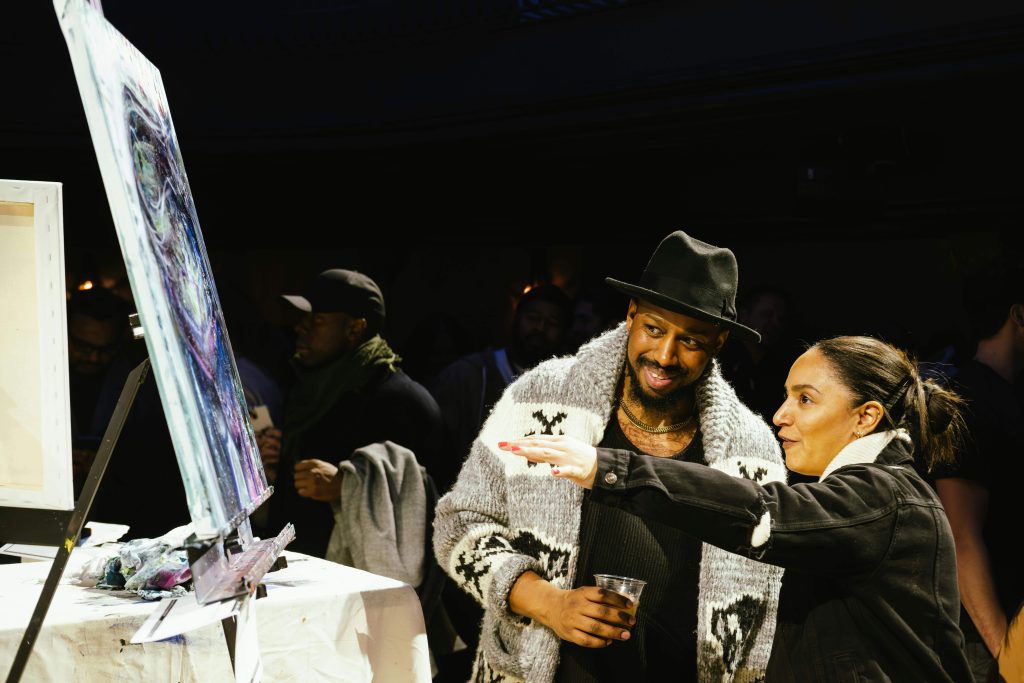
Building a relationship rather than maintaining an inventory changes the structure of collecting. Conversations, studio visits, and ongoing dialogue replace purely transactional exchanges. The collector becomes a supporter and engaged participant, seeking to understand the motivations and intentions behind the art. This connection fosters mutual respect and often leads to a deeper understanding of creative practice. The collection grows not only in size but in meaning.
At its most meaningful, this philosophy cultivates a human legacy. The collector’s role extends beyond ownership to stewardship of artistic expression. By supporting artists through different stages of their development, collectors contribute to the continuity of creative work. What remains is not just a set of objects but a record of collaboration, belief, and sustained engagement. The legacy is defined by connection and support of human creativity.
How This Philosophy Changes the Act of Collecting
When collectors prioritize artists, their search criteria shift. Instead of focusing exclusively on established reputations, they look for emerging voices and distinctive perspectives. They seek authenticity, originality, and a clear sense of direction. This approach encourages discovery and allows collectors to participate in the early chapters of an artist’s development. The emphasis moves from securing recognizable names to identifying compelling ideas and strong creative identities.
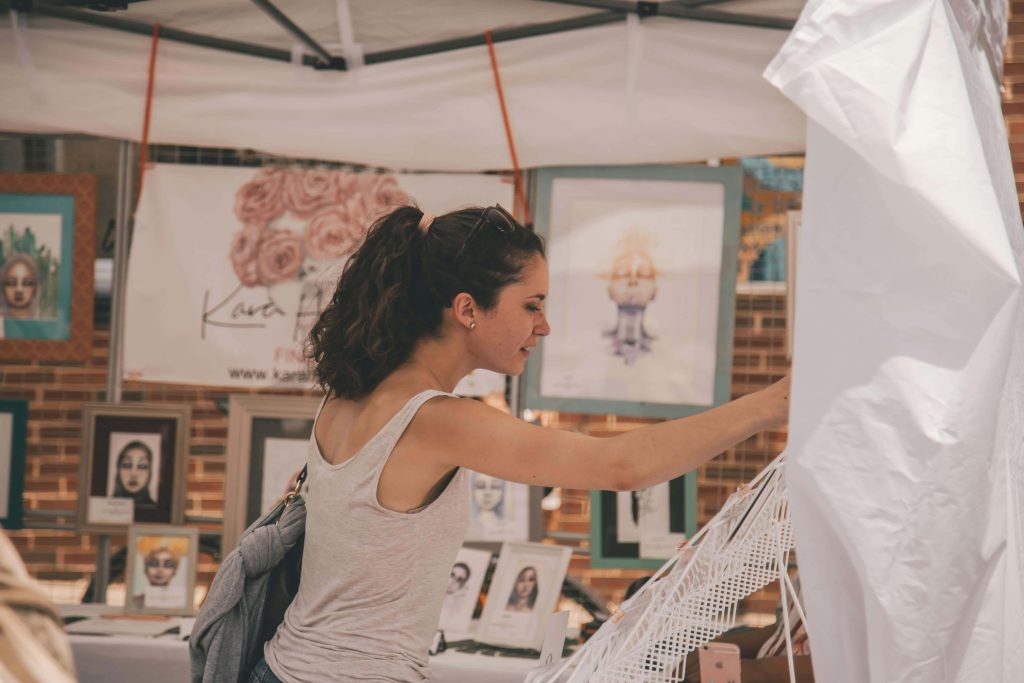
Engagement also becomes more deliberate. Studio visits, conversations, and sustained communication take precedence over quick acquisitions. Understanding an artist’s influences, methods, and aspirations informs collecting decisions. This deeper interaction builds trust and mutual appreciation. Over time, these relationships can shape both the collector’s perspective and the artist’s practice, creating a reciprocal dynamic grounded in shared respect.
The very definition of a collection evolves under this philosophy. Instead of a static grouping of objects, it becomes a dynamic ecosystem of creative partnerships. Each artist contributes a distinct voice, and the relationships between these voices create dialogue within the collection itself. As artists grow and change, the collection evolves alongside them. It reflects not only aesthetic preferences but also a history of sustained engagement and belief in creative potential.
Conclusion
The difference between acquiring objects and investing attention in people is fundamental. One approach centers on possession; the other centers on connection and shared development. While both can result in compelling collections, only one fosters an ongoing relationship with creativity itself.
We collect artists because art is inseparable from the human beings who create it. The stories, experiments, ambitions, and transformations behind each work give it depth and resonance. By supporting artists rather than focusing solely on objects, we build collections that are alive with narrative and purpose. In the end, it is these human connections and shared creative paths that give a collection its enduring meaning.
Key Takeaways
- Collecting art becomes more meaningful when the focus shifts from owning objects to supporting the artist behind the work.
- An object-only approach can limit depth, reducing art to decoration rather than lived creative experience.
- An artist-focused philosophy values creative evolution, process, and long-term vision over single acquisitions.
- Building relationships through dialogue and studio engagement creates a richer, more connected collection.
- A collection built around artists forms a dynamic, evolving narrative rather than a static display of objects.
FAQs
What does it mean to collect artists instead of objects?
Collecting artists means prioritizing long-term engagement with a creator’s vision rather than focusing solely on acquiring individual works. It involves understanding their evolving practice, supporting their development over time, and viewing each piece as part of a broader creative trajectory rather than as an isolated possession.
How does an artist-focused approach enrich a collection?
An artist-focused approach builds depth and continuity within a collection. By following an artist’s growth, collectors gain insight into stylistic shifts, experimentation, and conceptual development. Over time, the collection becomes a layered narrative that reflects sustained engagement, shared dialogue, and creative progression.
Is relationship-building essential in artist-centered collecting?
Yes. Relationship-building strengthens the meaning behind each acquisition. Conversations, studio visits, and ongoing dialogue create mutual understanding and trust. This engagement transforms collecting from a transactional activity into a collaborative exchange that supports artistic practice while deepening the collector’s knowledge and perspective.
Instead of offering complicated theory, this guide focuses on practical observation skills that anyone can use. By learning how to notice materials, context, emotion, and intention, you will begin to see contemporary artworks as conversations rather than puzzles that need to be solved.