

02 Feb Why We Don’t Believe in “Elite” Art Spaces
Introduction: The Unspoken Rules of the Art World
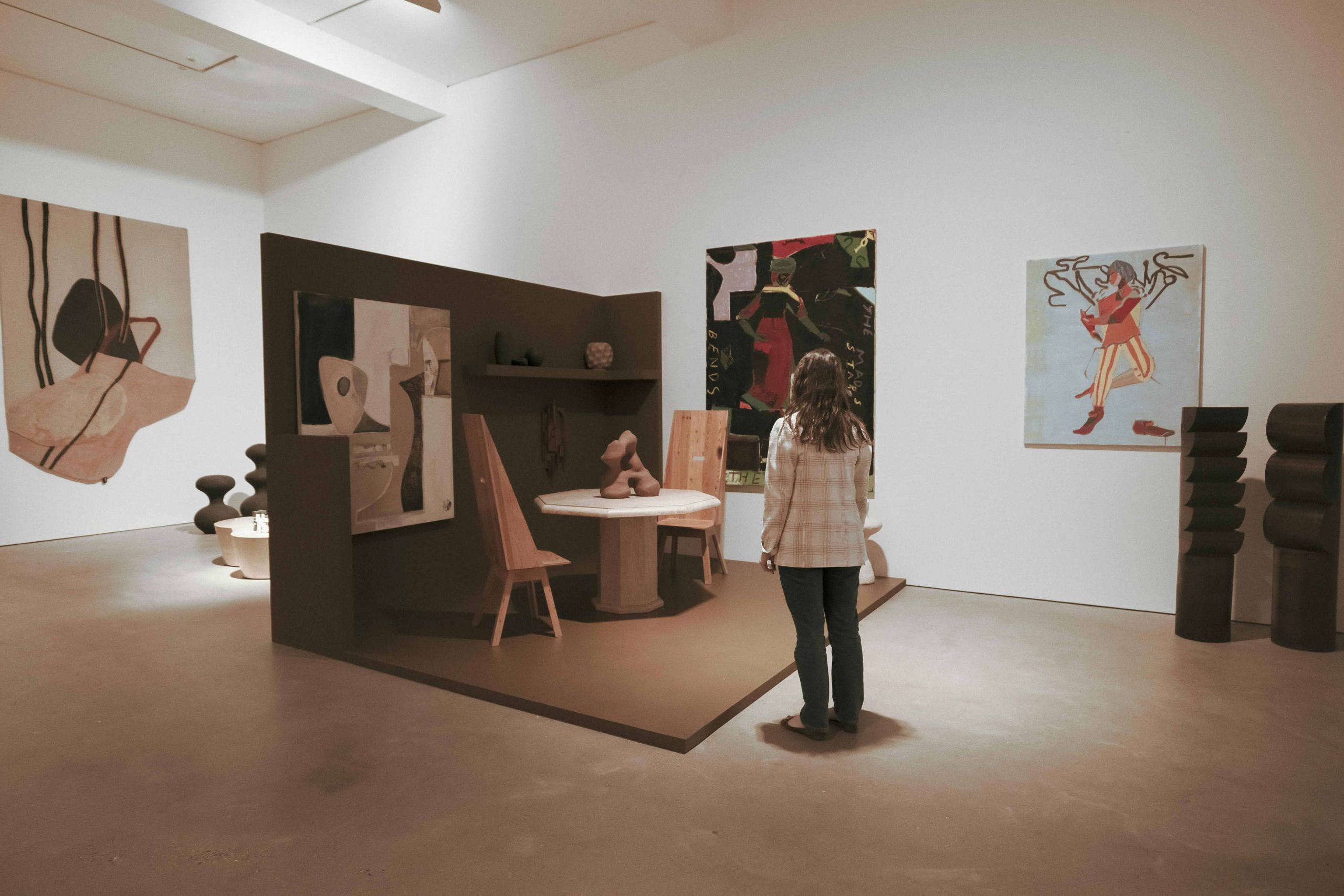
For many visitors, entering a traditional art gallery can feel unfamiliar and uncomfortable. Clean white walls, minimal sound, and formal presentation styles often create an environment that appears distant rather than welcoming. These settings can give the impression that prior knowledge or social familiarity is expected before engagement even begins.
This sense of exclusion is commonly linked to elitism in the art world. When art spaces feel closed off, they discourage participation and reduce opportunities for broader public engagement. Art becomes less about shared experience and more about meeting perceived standards of behavior or interpretation.
Our position is straightforward. Art is a public cultural expression, and access to it should not depend on background, education, or social status. Our focus is on removing unnecessary barriers so that more people feel comfortable engaging with contemporary art.
Deconstructing the “Elite” Art Space: What Creates Distance
A key factor contributing to exclusion is social pressure. Visitors may feel uncertain about how to respond to artwork or worry that their reactions are incorrect. When environments imply that there is a preferred way to view or discuss art, personal engagement is often limited.
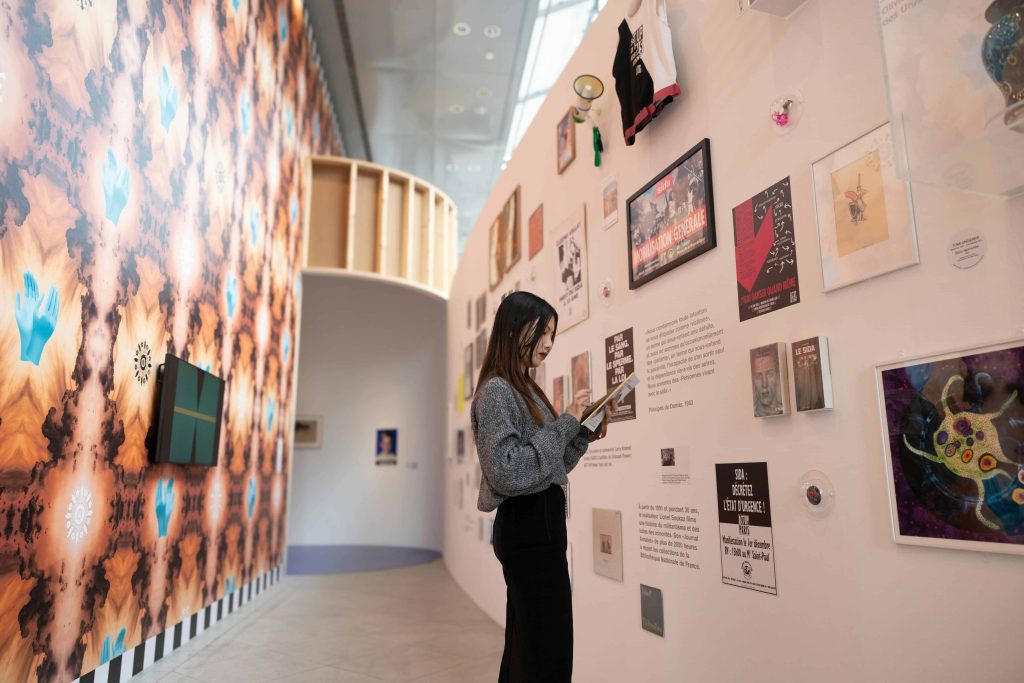
Language also plays a significant role. Exhibition texts that rely heavily on academic terminology or specialist references can be difficult to understand without prior exposure. This type of communication can prevent visitors from forming direct connections with the work on display.
Another common assumption is that art is inaccessible due to cost. While some works are priced at high levels, this perception alone can discourage people from exploring galleries or learning about artists. As a result, many individuals disengage before discovering the range of formats and practices that exist within contemporary art.
Limited representation further contributes to this distance. When exhibitions consistently highlight a narrow group of artists or perspectives, the scope of cultural expression becomes restricted. This affects whose experiences are visible and which narratives are shared.
Our Vision: An Inclusive and Open Approach
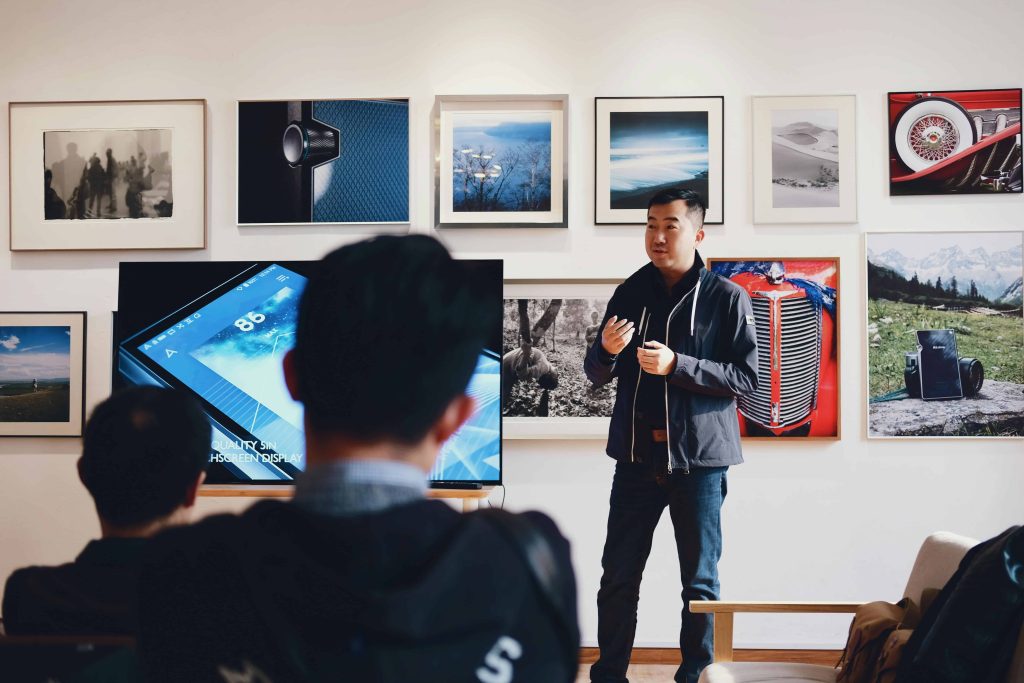
We prioritize spaces that support dialogue rather than silence. Open discussion allows visitors to reflect on their reactions and learn from one another. This approach treats engagement as part of the viewing experience rather than a disruption.
Clear communication is equally important. Descriptions that focus on observable details, artistic processes, and contextual background help audiences understand the work without requiring specialized knowledge. This supports informed viewing while respecting individual interpretation.
Accessibility also involves acknowledging that art exists in many forms and formats. Presenting a range of works encourages broader participation and reflects the diversity of contemporary artistic practice, without implying specific purchasing pathways or outcomes.
Representation remains central to our approach. By featuring artists with varied experiences and viewpoints, art spaces can better reflect the complexity of everyday life. This diversity contributes to a more accurate and inclusive cultural record.
Why This Matters in Practice
Art plays an established role in cultural and social life. It records ideas, documents experiences, and contributes to shared understanding within communities. When access to art is limited, its social value is reduced.
Engaging with different forms of artistic expression supports awareness of perspectives beyond one’s own. This exposure encourages reflection and dialogue, which are essential elements of cultural exchange.
Inclusive art spaces also contribute to long-term sustainability within the creative sector. Broader public engagement increases visibility for artists and supports ongoing cultural production without relying on narrow participation.

Conclusion
Shifting away from exclusivity requires intentional changes in how art is presented and discussed. By reducing intimidation, using clear language, and supporting diverse representation, art spaces can become more approachable and relevant to wider audiences.
Art is a shared cultural resource. Encouraging open access and participation strengthens its role in society. We invite readers to explore, engage, and take part in shaping an art environment that values openness, clarity, and inclusion.
Key Takeaways
- Traditional gallery norms can unintentionally create social and psychological barriers that discourage public engagement with art.
- Perceived elitism often stems from language, presentation, and unspoken behavioral expectations rather than the artwork itself.
- Clear communication and open dialogue help visitors form personal connections without requiring prior knowledge or cultural familiarity.
- Inclusive representation broadens cultural narratives and makes art spaces more reflective of everyday experiences.
- Expanding access to art strengthens its social value and supports long-term participation in the creative sector.
FAQs
Why do traditional art spaces often feel unwelcoming to new visitors?
Traditional art spaces can feel unwelcoming because of formal layouts, limited interaction, and language that assumes prior knowledge. These factors may create social pressure, making visitors unsure how to behave or respond, which can discourage open engagement and reduce personal connection with the artwork.
How does language contribute to perceptions of elitism in art spaces?
Language contributes to elitism when exhibition texts rely on academic or specialist terminology without clear explanations. This approach can exclude visitors unfamiliar with art theory, limiting understanding and making engagement feel conditional on education rather than curiosity or personal interpretation.
What defines an inclusive art space in practical terms?
An inclusive art space encourages dialogue, uses clear and accessible communication, and presents diverse artistic perspectives. It values personal responses, supports multiple forms of engagement, and reflects varied lived experiences, allowing visitors to connect with art without feeling judged or constrained by formal expectations.
As social values shift and cultural narratives evolve, owning art becomes an active role rather than a passive privilege. This article examines how decisions made by art owners affect preservation, access, and historical continuity, raising important questions about accountability in a rapidly changing cultural environment.