


26 Jan The Responsibility of Owning Art in a Changing Society
Introduction
Owning art carries significance that extends beyond acquisition and display. As social norms, technology, and cultural expectations evolve, art ownership increasingly involves awareness of preservation, interpretation, and public impact. Individuals and organizations that own artworks influence how those works are maintained and understood over time. This article outlines the practical and cultural responsibilities associated with owning art in a contemporary setting.
Art Ownership Beyond Possession
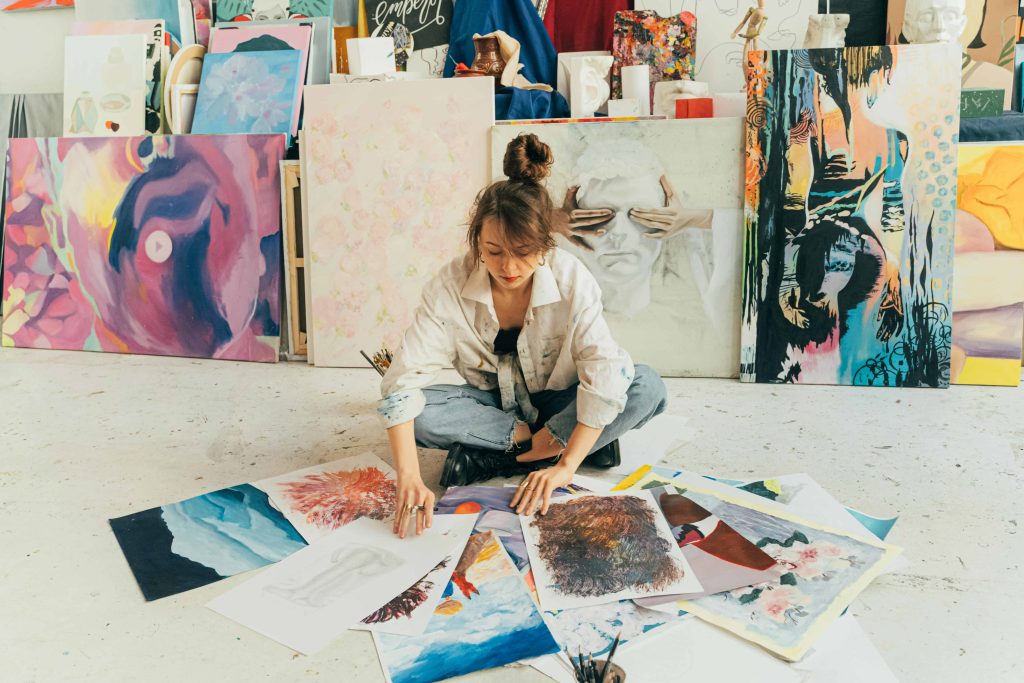
Art ownership involves more than physical control of an object. Owners are responsible for maintaining the condition of artworks and ensuring that relevant contextual information remains intact. This includes accurate attribution, proper documentation, and appropriate care. Artworks function within broader cultural and artistic frameworks, and responsible ownership acknowledges their role within these systems rather than treating them as isolated objects.
Ethical Considerations in Art Ownership
Ethical responsibility in art ownership centers on accuracy, transparency, and care. This includes maintaining reliable records of origin, avoiding misleading presentation, and respecting the original form and intent of the work. Conservation and restoration decisions should be guided by established professional standards to ensure that artworks remain stable and recognizable over time. Ethical ownership relies on informed decision-making supported by credible sources and expertise.
Art, Access, and the Public Good
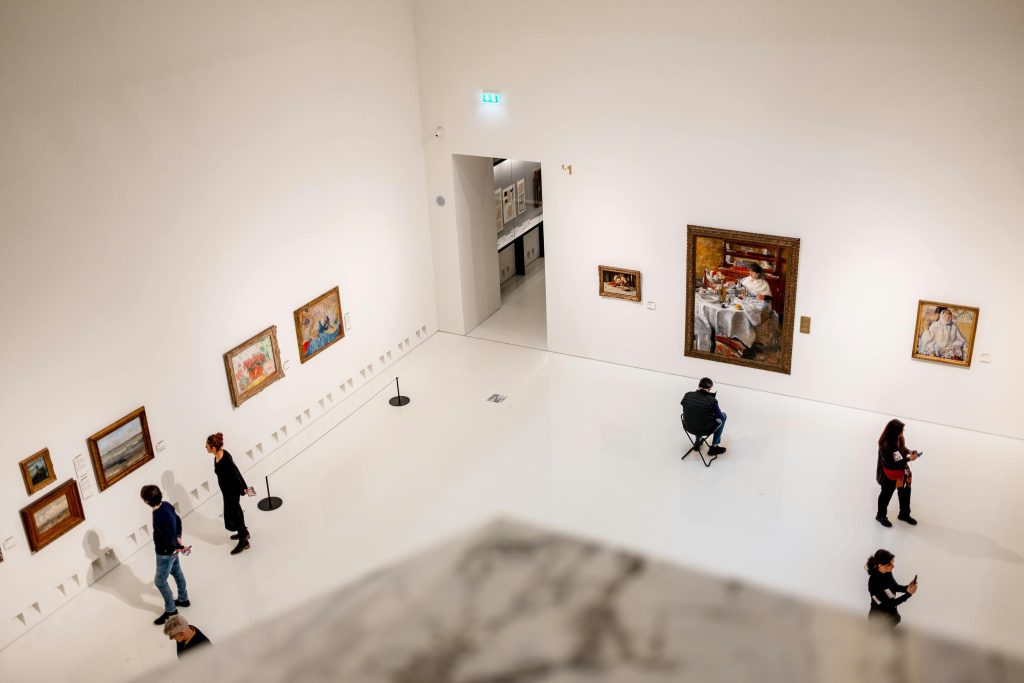
Art often holds cultural significance that extends beyond private ownership. While not all works are intended for public display, owners may contribute to broader cultural understanding by supporting responsible access through exhibitions, loans, or digital documentation. Advances in digital technology allow artworks to be viewed and studied without physical handling, expanding educational and research opportunities while reducing physical risk to original works.
Cultural Sensitivity and Social Change
The interpretation of art can shift as cultural perspectives change. Owners are responsible for presenting artworks with accurate information and appropriate context, particularly when works are displayed or shared publicly. Clear, factual descriptions help audiences understand artistic intent, historical background, and material characteristics. This approach supports informed engagement and reduces the risk of misinterpretation.
The Market, Power, and Influence
Art ownership plays a role in shaping visibility and recognition within the cultural sector. Decisions related to exhibition, publication, and collaboration affect how artists and artworks are perceived. Responsible ownership emphasizes accuracy, documentation, and long-term care rather than short-term trends. Supporting stable cultural institutions and professional standards contributes to a more consistent and reliable art ecosystem.
Preservation for Future Generations
Preservation is a central responsibility of art ownership. This includes environmental control, condition monitoring, and proper handling practices. Documentation such as condition reports, provenance records, and archival materials supports future research and care. As contemporary art increasingly includes digital and mixed-media formats, owners must also account for technological requirements to ensure continued accessibility.

Conclusion
The responsibility of owning art in a changing society lies in informed care, accurate representation, and long-term preservation. Art ownership shapes how works endure and how they are understood by future audiences. By approaching ownership as an ongoing commitment grounded in factual knowledge and professional standards, owners contribute to the continued stability and relevance of art within society.
Key Takeaways
- Art ownership extends beyond possession and includes ongoing responsibility for care, documentation, and accurate representation.
- Owners play a direct role in how artworks are preserved, interpreted, and understood over time.
- Ethical art ownership relies on transparency, professional conservation standards, and reliable contextual information.
- Responsible access, including exhibitions and digital documentation, supports cultural understanding while protecting artworks.
- Long-term preservation and informed stewardship help ensure that art remains accessible and meaningful for future audiences.
FAQs
What does responsible art ownership involve?
Responsible art ownership involves proper care, accurate documentation, and informed presentation of artworks. Owners are expected to maintain physical condition, preserve contextual information, and follow established conservation standards to ensure artworks remain stable, identifiable, and accessible over time.
Why is documentation important for art owners?
Documentation supports accurate identification, preservation, and long-term care of artworks. Records such as provenance details, condition reports, and material descriptions help prevent misinterpretation, support research, and guide future conservation decisions, especially when ownership or custodianship changes.
How can art owners support access without risking damage?
Art owners can support access through controlled exhibitions, institutional loans, and high-quality digital documentation. These approaches allow wider engagement and educational use while limiting physical handling, reducing environmental stress, and maintaining appropriate preservation conditions for original works.
When a piece of art moves beyond the quiet of a private room and enters public view, its meaning rarely stays the same, because it becomes shaped by new audiences, unfamiliar contexts, and expectations the owner may never have anticipated.