

23 Feb Dealing with the Physical Reality of a Growing Collection
Introduction
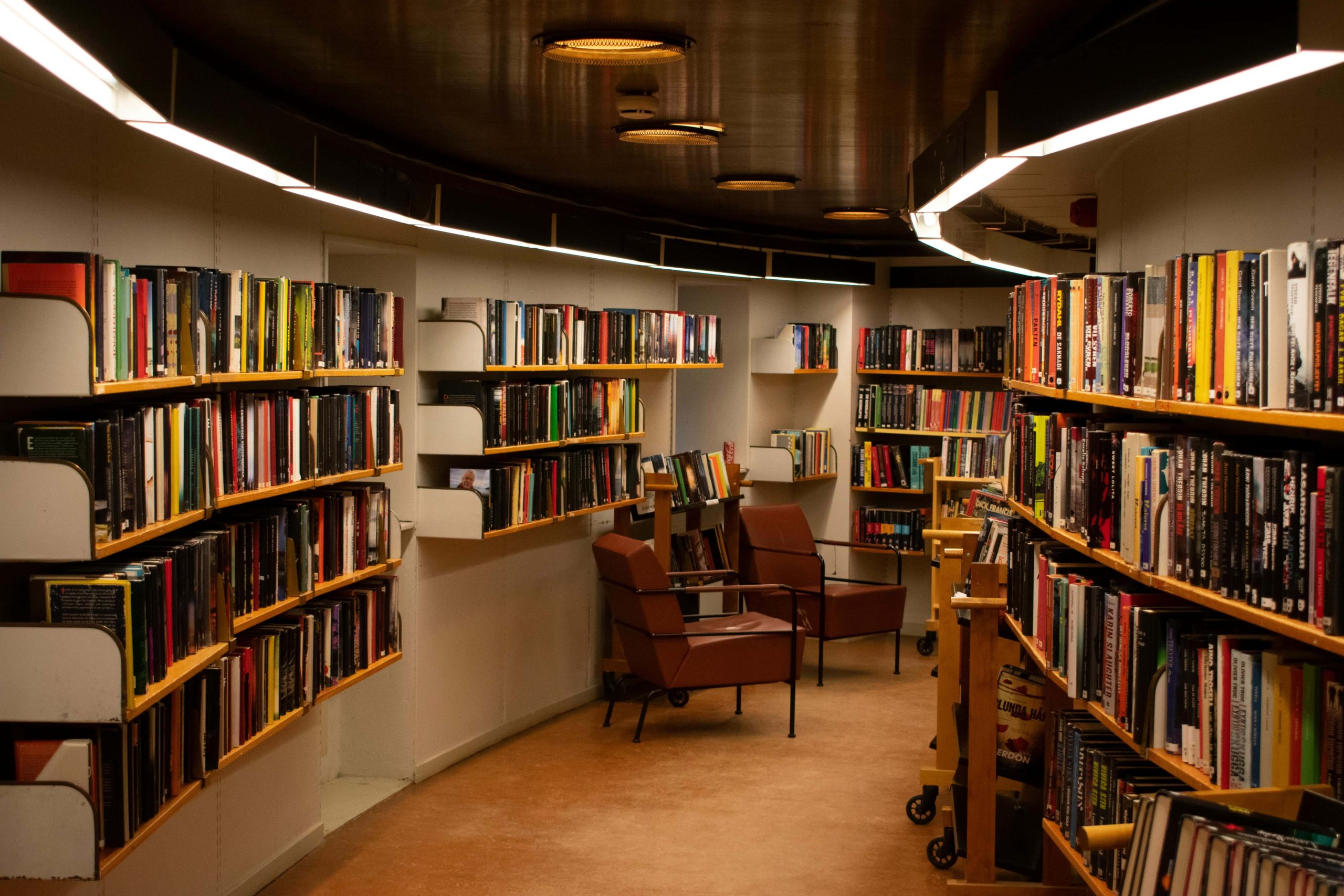
Every collection begins with excitement. There is the thrill of finding a long-sought item, the satisfaction of securing a rare piece, and the sense of identity that forms around a focused interest. In the early stages, collecting feels manageable. Items fit comfortably within designated shelves or display cases, and each addition feels deliberate.
Over time, growth changes the experience. Shelves fill. Storage spaces become crowded. What once felt curated can begin to feel dense and demanding. The very expansion that signals dedication can introduce new logistical and emotional pressures.
Understanding the physical reality of a growing collection is essential for maintaining long-term enjoyment. By addressing both practical constraints and emotional shifts, collectors can move from reactive accumulation to intentional stewardship.
The Practical Challenges of a Growing Collection
The Space Conundrum
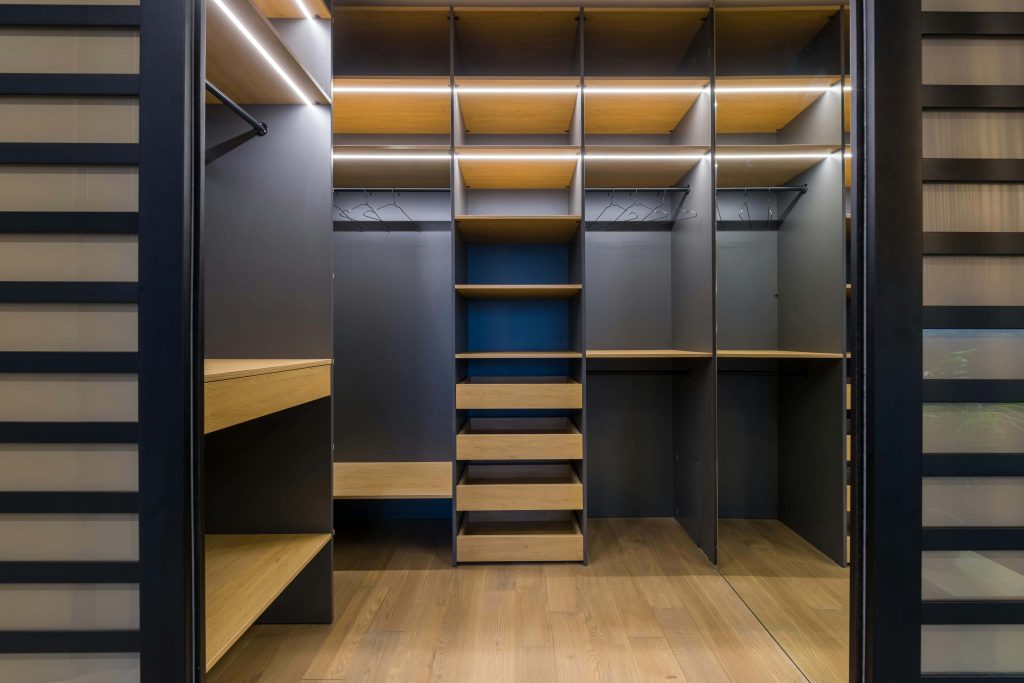
One of the most immediate challenges collectors encounter is spatial limitation. Display areas that once seemed sufficient gradually become overcrowded. Items may spill into closets, secondary rooms, or storage boxes that were never designed for preservation.
As collections expand, certain materials require specific environmental conditions. Paper, textiles, wood, and plastics can deteriorate when exposed to excess humidity, fluctuating temperatures, or prolonged light exposure. Direct sunlight can fade pigments, while high moisture levels can lead to warping or mold growth. These risks make environmental control a practical necessity rather than a luxury.
Collectors must evaluate whether their current environment can sustain continued growth. This may involve reorganizing existing space, installing UV-filtering film on windows, adding dehumidifiers, or redesigning storage layouts to reduce stacking pressure. The goal is stability, accessibility, and protection.
Organization and Documentation
A small collection can often be tracked from memory. A large one cannot. As volume increases, locating specific pieces becomes more time-consuming unless a structured system is in place.
Maintaining a consistent inventory improves clarity and control. Accurate documentation allows collectors to track condition changes, monitor acquisition history, and identify current storage locations. Essential data points include purchase date, acquisition source, condition notes, and storage placement. Including photographs strengthens visual reference and assists with monitoring wear over time.
The method itself matters less than consistency. Whether using a digital database, specialized collecting software, or a spreadsheet, maintaining one centralized system prevents fragmentation and confusion.
Preservation and Maintenance
Ownership extends beyond acquisition. Ongoing maintenance becomes part of the routine. Dust accumulation, material fatigue, and environmental exposure can gradually affect condition if left unchecked.
Regular inspection allows collectors to detect early signs of deterioration such as discoloration, cracking, adhesive failure, or structural stress. Cleaning should be appropriate to the material type, using archival-safe tools and storage materials where necessary.
Environmental threats are persistent. Humidity fluctuations, temperature instability, pests, and airborne pollutants all pose risks. Preventative care, including proper shelving, spacing between objects, and breathable protective enclosures, supports long-term stability. As collections grow, maintenance shifts from occasional activity to structured routine.

The Emotional Realities of Collecting at Scale
From Enjoyment to Overwhelm
Growth alters emotional dynamics. The excitement of acquisition can gradually compete with the awareness of responsibility. When physical space tightens and maintenance demands increase, enjoyment may give way to pressure.
Some collectors experience what is often described as collection fatigue. This occurs when the volume of possessions exceeds one’s capacity to comfortably manage them. The result can be hesitation, anxiety about organization, or avoidance of engagement with the collection altogether.
Recognizing this shift is important. It signals the need for structural adjustments rather than abandonment of the hobby itself.
Responsibility and Stewardship
As collections increase in size or significance, the collector’s role evolves. The mindset shifts from casual ownership to active stewardship. Proper storage, environmental stability, and routine care become ongoing obligations.
This sense of responsibility can feel heavy if systems are not in place. However, when structured methods support maintenance and organization, stewardship becomes manageable rather than stressful. Clear routines reduce uncertainty and restore confidence.
Re-evaluating Purpose
Scale invites reflection. A growing collection often prompts questions about direction and intention. Does each item align with the core focus? Is the collection defined by clarity or by volume?
Re-evaluating purpose helps restore alignment. A focused collection typically feels more coherent and satisfying than one that expands without boundaries. Periodic assessment allows collectors to refine themes, eliminate redundancy, and strengthen overall identity.
Letting go of items that no longer fit can be challenging. However, refinement is a natural part of mature collecting. It supports clarity and preserves the integrity of the collection’s central vision.
Strategies for Sustainable and Intentional Collecting
Adopt a Curatorial Approach
Shifting from passive accumulation to active curation creates structure. Defining a clear mission or thematic scope guides future decisions. When collectors understand their focus, acquisitions become selective rather than reactive.
Strategically declining items that fall outside the collection’s defined parameters prevents unnecessary expansion. This preserves both space and coherence.
Deaccessioning, the deliberate removal of items that no longer serve the collection’s purpose, is a practical refinement strategy. It allows collectors to reduce volume while strengthening thematic consistency.
Implement Structured Systems
Routine maintenance prevents overwhelming backlogs. Establishing a realistic inspection schedule ensures that care remains consistent and manageable.
Committing to one documentation system eliminates confusion. Centralized records improve efficiency and reduce duplication.
Some collectors adopt a “one in, one out” approach to maintain physical equilibrium. This principle limits unchecked growth and encourages thoughtful selection. Physical boundaries support sustainability.
Reclaim the Core Joy
Sustainable collecting requires reconnecting with what made the hobby meaningful. Displaying favorite pieces prominently encourages engagement. Rotating displays refreshes perspective without increasing volume.
Taking a temporary pause from acquisitions can also be beneficial. Stepping back allows collectors to appreciate existing pieces, reorganize thoughtfully, and regain balance.
Ultimately, long-term satisfaction depends on quality, meaning, and personal resonance rather than quantity alone.
Conclusion
A growing collection brings tangible challenges. Space constraints, organizational complexity, and preservation demands require deliberate planning. Emotional shifts may also occur as responsibility increases.
The solution lies in intentional management. Clear focus, structured systems, and periodic refinement transform collecting from passive accumulation into disciplined stewardship.
When thoughtfully maintained, a collection remains what it was meant to be: a sustained expression of curiosity, taste, and dedication. Growth does not have to lead to overwhelm. With structure and clarity, it becomes sustainable.
Key Takeaways
- Growth changes collecting from simple acquisition to ongoing management, requiring both physical space planning and structured systems.
- Environmental control is essential as collections expand, especially for materials sensitive to humidity, light, and temperature fluctuations.
- Consistent documentation and centralized inventory systems prevent confusion and protect long-term organization.
- Regular inspection and preventative maintenance reduce deterioration and support preservation at scale.
- Emotional shifts such as overwhelm or collection fatigue signal the need for structural adjustments, not abandonment of the hobby.
- Adopting a curatorial mindset promotes intentional acquisitions and prevents reactive accumulation.
- Periodic re-evaluation, refinement, and selective deaccessioning strengthen clarity and long-term satisfaction.
- Sustainable collecting prioritizes focus, stewardship, and meaningful engagement over unchecked growth.
FAQs
How can I prevent my collection from becoming overwhelming as it grows?
As collections expand, structure becomes essential. Establishing a centralized inventory, routine inspection schedule, and defined acquisition criteria helps maintain control. Physical limits, such as designated storage zones or a one-in, one-out policy, prevent unchecked growth and reduce the risk of emotional and spatial overload.
What are the most important environmental factors to monitor for preservation?
Humidity, temperature stability, and light exposure are critical. Excess moisture can cause warping or mold, while fluctuating temperatures accelerate material fatigue. Direct sunlight fades pigments and weakens fibers. Monitoring environmental consistency and using protective enclosures significantly reduces long-term deterioration risks.
When should a collector consider deaccessioning items?
Deaccessioning becomes appropriate when items no longer align with the collection’s defined focus or when space and maintenance demands exceed manageable limits. Periodic reassessment clarifies purpose, reduces redundancy, and strengthens thematic coherence. Refinement supports sustainability without diminishing long-term enjoyment.
What happens to a masterpiece when it disappears behind closed doors? In this article, we explore why art cannot thrive in isolation and how thoughtful sharing transforms private collections into living cultural conversations that inspire, educate, and sustain creative legacy across generations.