

09 Feb Why “Sharing” Is the Only Way to Keep Art Alive
Introduction: The Silent Death of Art
Picture a significant artwork placed in long-term storage. The environment is controlled, the lighting minimal, and access limited. While this approach protects physical materials, it also removes the artwork from its intended role. Without visibility, the work no longer participates in cultural life and becomes functionally inert.
Art is defined by interaction. Its purpose is fulfilled through observation, reflection, and response. When an artwork is isolated, its expressive function is suspended. Preservation that focuses only on physical condition overlooks this reality. Sharing art allows it to continue operating as a cultural object rather than a static artifact.
The Lifeblood of Art: Why Sharing Is Essential for Survival
Art Requires an Audience to Be Complete
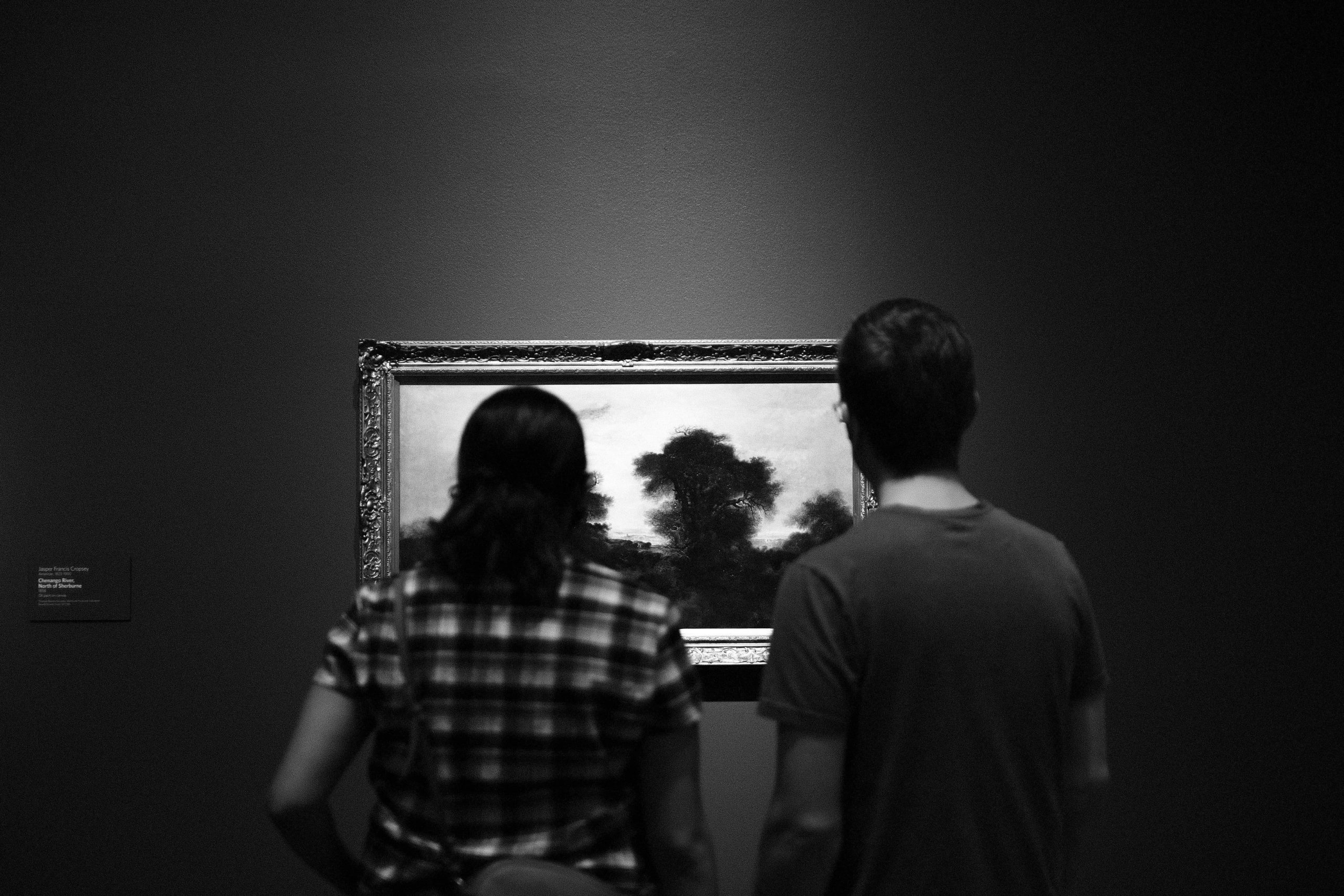
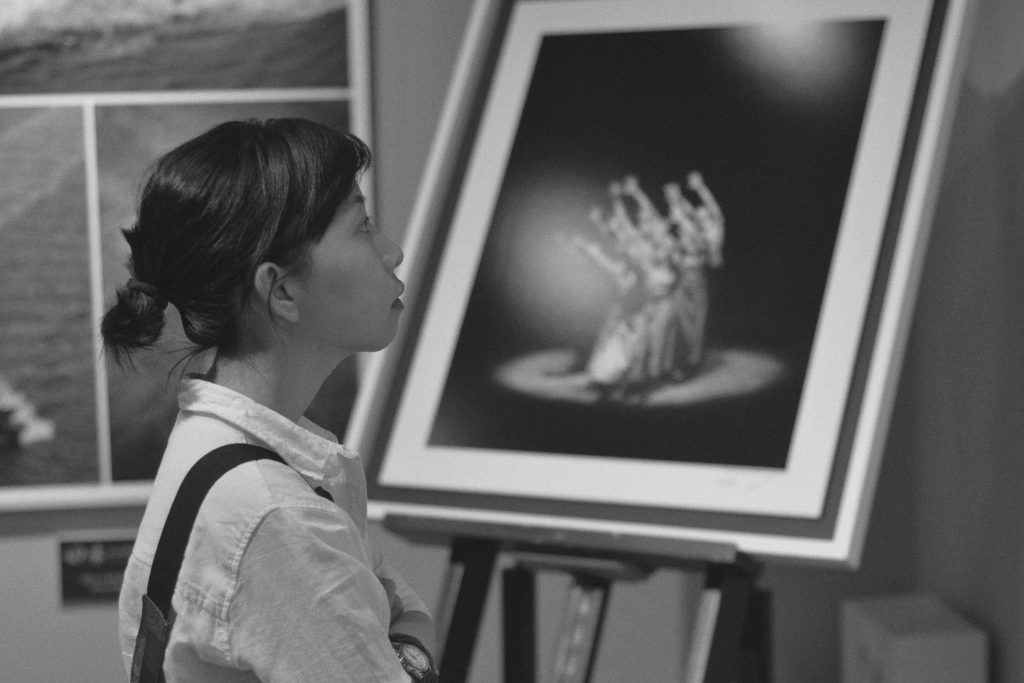
An artwork is created to be encountered. Meaning is formed through the interaction between the work and the viewer, shaped by perception, context, and interpretation. Without this exchange, the artwork remains incomplete. Visibility activates the work’s communicative role and sustains its relevance over time.
Sharing Sustains Creative Development
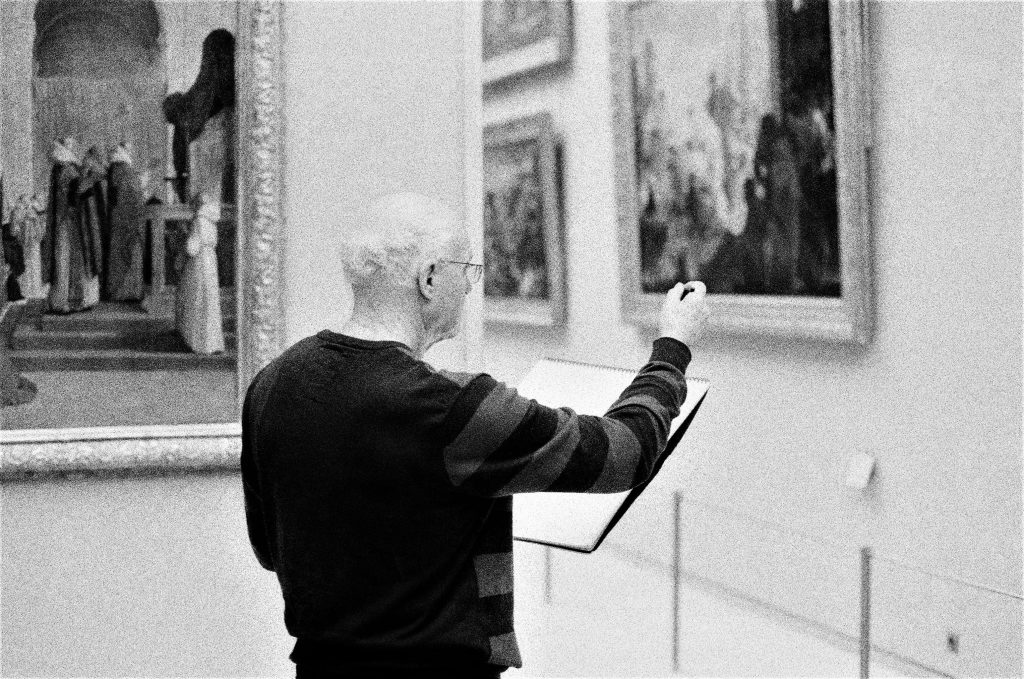
Access to existing artworks supports creative learning and experimentation. Artists and researchers rely on firsthand exposure to develop techniques, refine ideas, and understand historical practices. Shared collections contribute to ongoing creative activity by providing reference points and material for study. When artworks are inaccessible, this process is interrupted.
Cultural Relevance Depends on Visibility
Artworks remain culturally relevant through continued presence and recognition. Public awareness allows works to be discussed, referenced, and understood within broader cultural frameworks. Without exposure, artworks risk being excluded from cultural memory regardless of their physical condition. Visibility supports long-term recognition and contextual understanding.
Addressing Common Concerns About Sharing
Physical Care and Preservation
Concerns about deterioration are valid. However, modern exhibition standards are designed to balance access with conservation. Controlled lighting, regulated environments, and professional handling allow artworks to be displayed responsibly. Limited and planned exposure enables viewing while maintaining material stability.
Collection Management Considerations
Some collectors hesitate to share works due to logistical or administrative concerns. These considerations relate to planning and coordination rather than inherent risk. Structured collaboration with cultural or educational organizations allows artworks to be shared within defined parameters that prioritize care and documentation.
Rethinking Private Access
Private enjoyment of art has value, but it does not reflect the full purpose of artistic production. Art gains meaning through shared experience and dialogue. Viewing the collector’s role as custodial rather than exclusive supports broader engagement while preserving personal connection to the work.
Practical Ways to Share Art Responsibly
Art can be shared through temporary exhibitions, academic access, and structured viewing opportunities. Digital platforms provide additional visibility through detailed imagery and cataloguing, allowing global access without physical handling. Educational use, including lectures and research, further integrates artworks into active cultural and intellectual exchange.
Conclusion
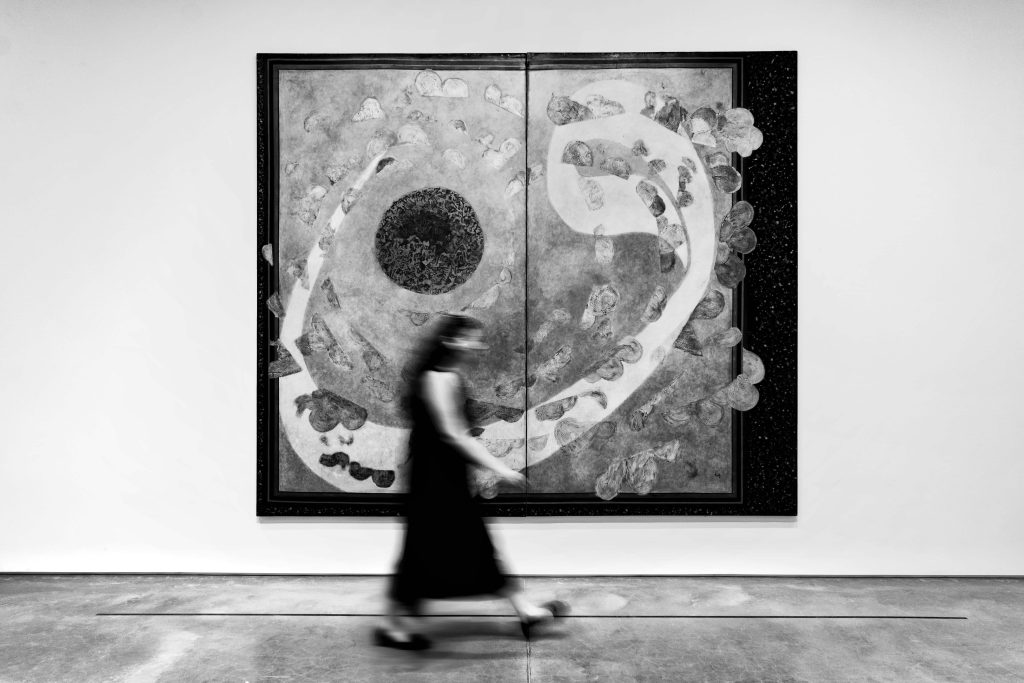
Art remains alive through use, visibility, and interpretation. Sharing allows artworks to continue contributing to cultural knowledge and creative practice. Collectors who enable access play an active role in sustaining this process. A collection does not lose value through engagement. It gains continuity, relevance, and purpose by remaining part of public cultural life.
Key Takeaways
- Art depends on visibility and interaction to retain meaning; isolation removes it from cultural life.
- Sharing sustains artistic relevance by enabling interpretation, discussion, and continued recognition.
- Access to artworks supports learning, research, and creative development across generations.
- Responsible sharing can coexist with preservation through controlled exhibition and professional handling.
- Viewing art as a shared cultural resource strengthens its role beyond private ownership.
FAQs
Why is sharing art considered essential rather than optional?
Sharing art allows it to function as a cultural object rather than a dormant asset. Interaction, interpretation, and visibility give artworks meaning beyond their physical materials. Without exposure to audiences, art loses its communicative role and risks becoming irrelevant despite careful preservation.
Does exhibiting art increase the risk of damage or deterioration?
Responsible sharing does not inherently endanger artworks. Modern exhibition practices use controlled lighting, climate regulation, and professional handling to minimize risk. Planned and limited exposure balances public access with long-term preservation, ensuring artworks remain both visible and materially stable.
How can private collectors share art without losing control over their collections?
Collectors can share artworks through structured agreements with cultural or educational institutions. These arrangements define handling standards, duration, and documentation requirements. Sharing in this way maintains ownership and oversight while allowing artworks to contribute to broader cultural and intellectual exchange.
Rather than celebrating exclusivity, this article questions why art spaces often feel cold or closed off, unpacking how the idea of “elite” culture limits engagement, narrows audiences, and disconnects art from everyday life, while offering a more welcoming vision for how art can be shared and experienced.